This case study has been abridged and anonymized to protect confidential information.
A more detailed walkthrough is available during a private interview setting.
A more detailed walkthrough is available during a private interview setting.

OVERVIEW
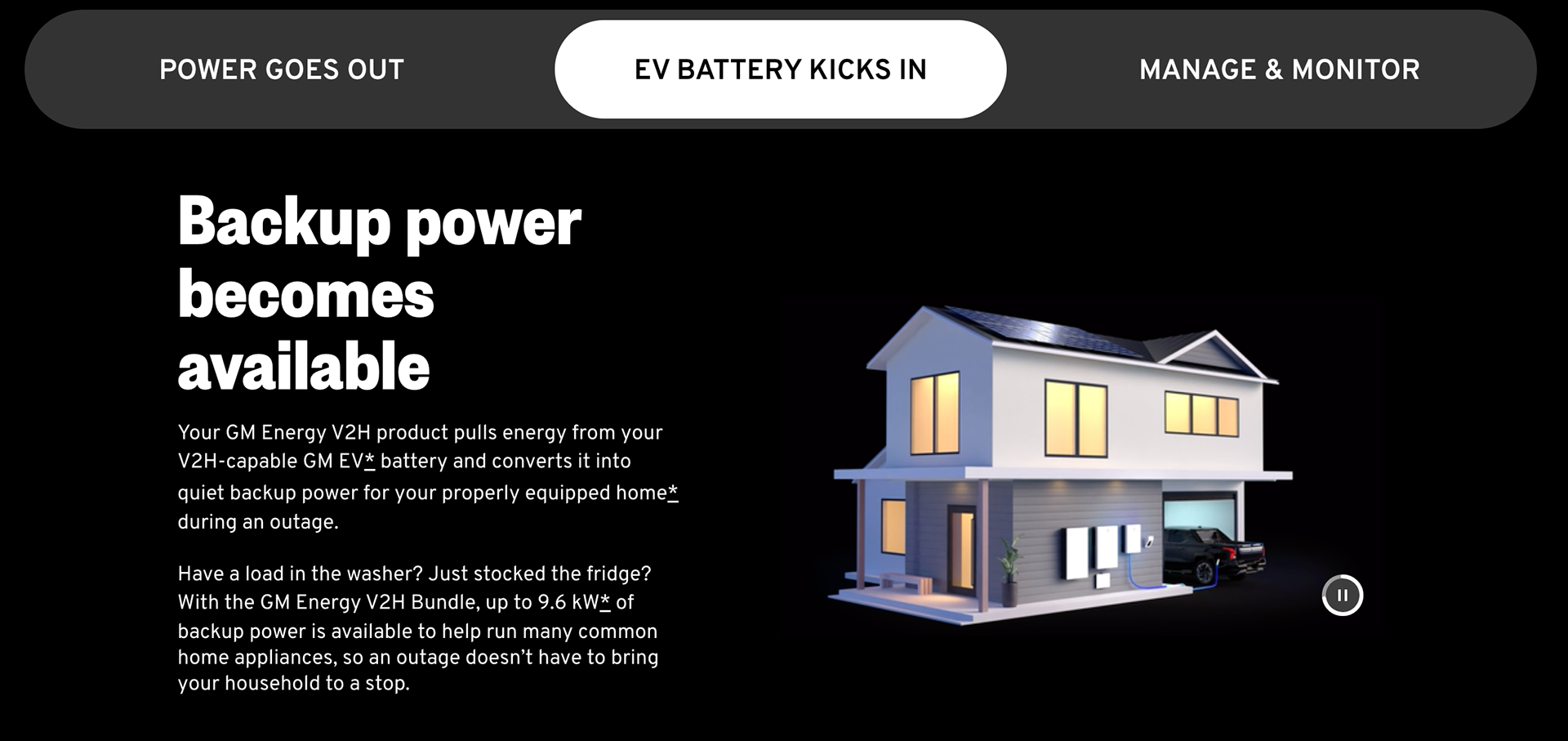
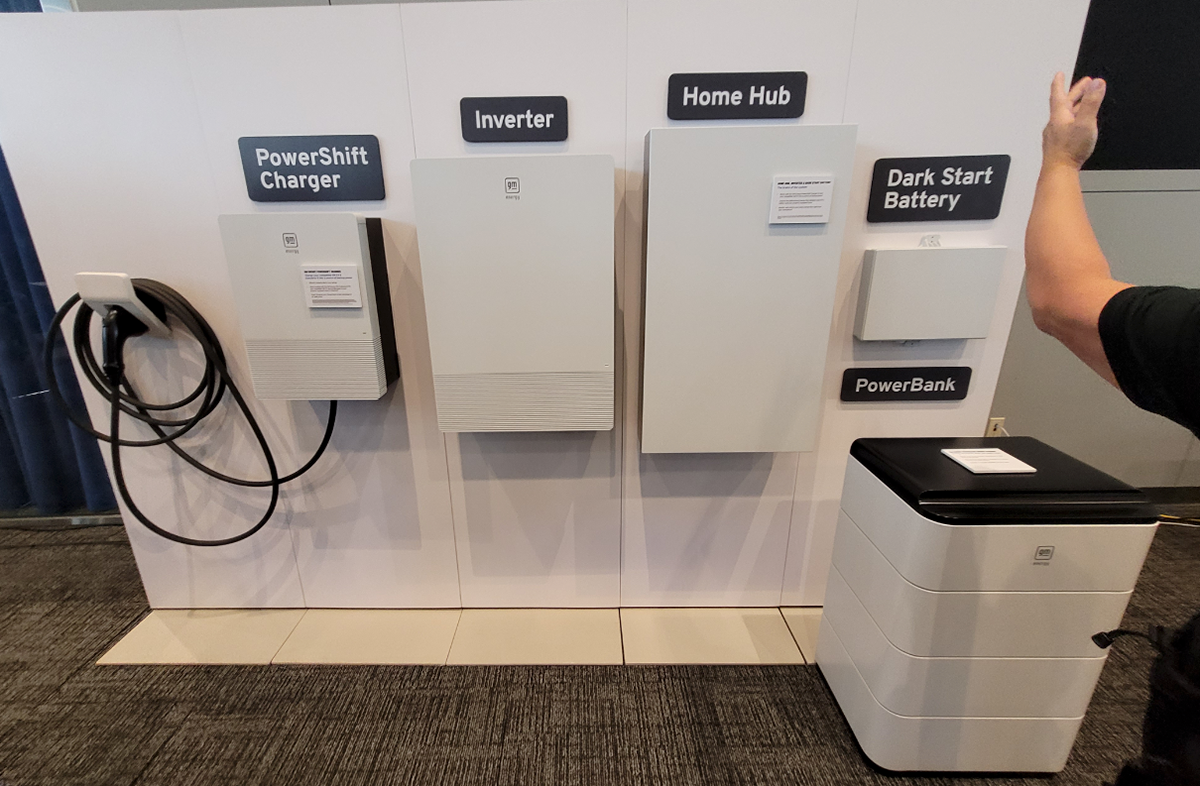
As General Motors expanded into home charging and energy solutions, the customer experience extended beyond a single product or digital interface. The entire customer experience required coordination across digital channels, advisors, dealers, installers, customer support, and internal operational teams.
As General Motors expanded into home charging and energy solutions, the customer experience extended beyond a single product or digital interface. The entire customer experience required coordination across digital channels, advisors, dealers, installers, customer support, and internal operational teams.
Therefore, the opportunity was to create a shared view of the complete service ecosystem—connecting customer needs with the people, processes, channels, systems, and partnerships responsible for delivering the experience.
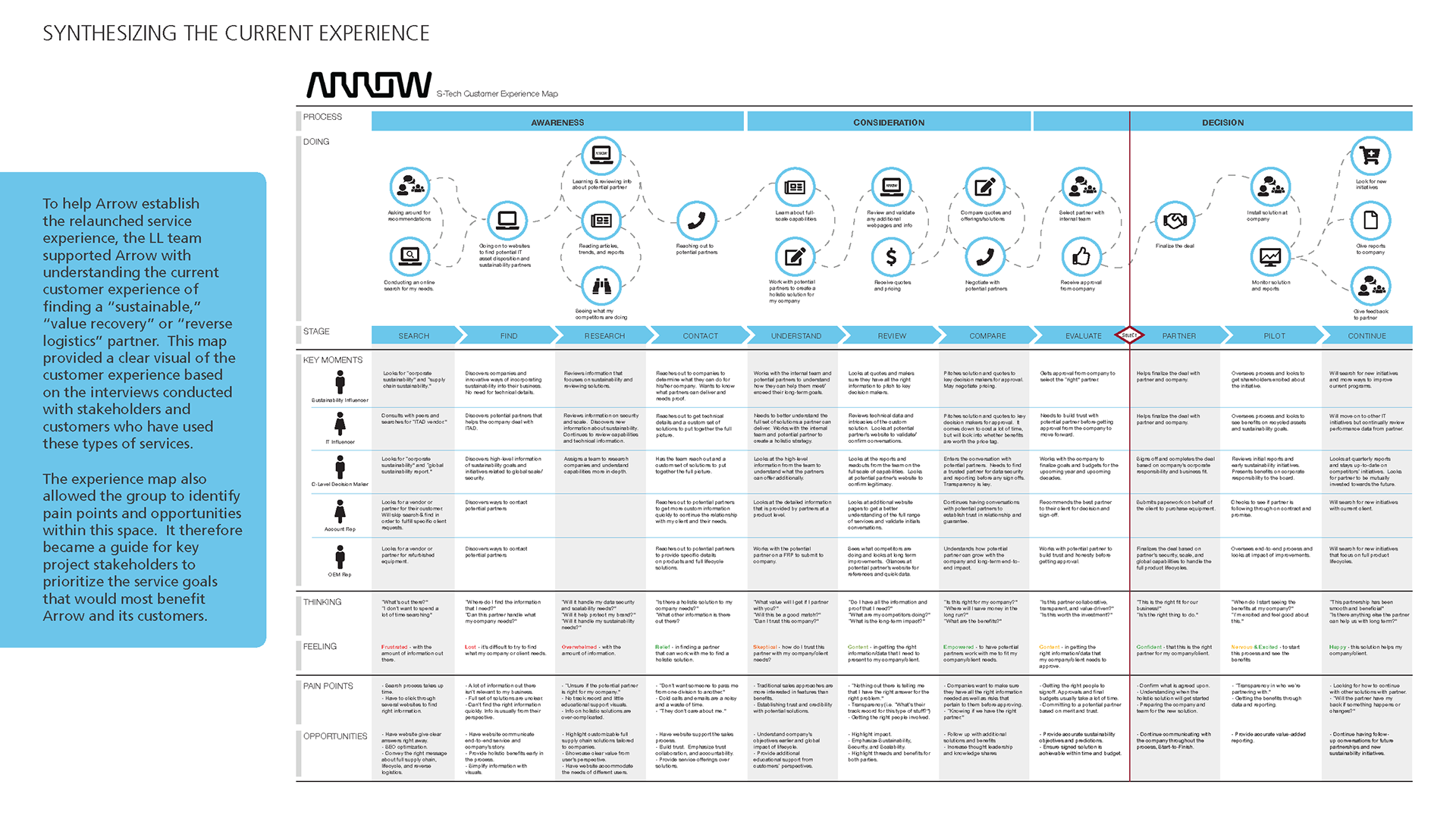
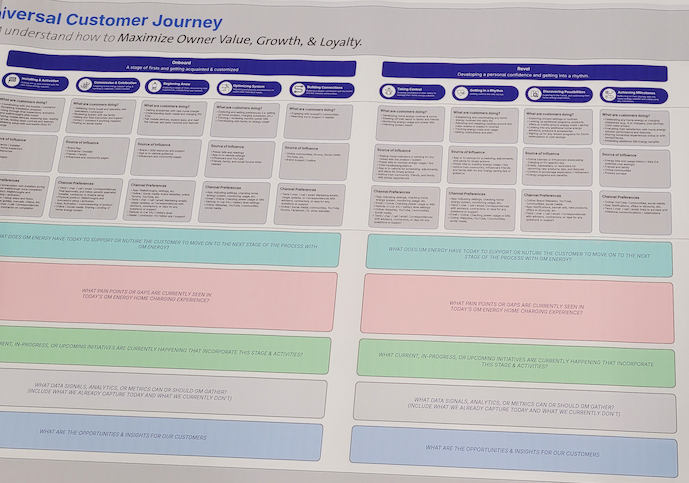
I helped develop an end-to-end GM Energy customer journey spanning shopping, purchase, installation, onboarding, and ongoing support. The work connected customer-facing interactions with service handoffs, operational dependencies, and future-state opportunities to help teams see—and improve—the experience as one connected service.
Challenge
Purchasing a home-energy solution can require customers to navigate multiple parties across a complex process. Dealers, GM Energy, vendors, and installers may all play a role in helping customers understand options, receive quotes, plan installation, coordinate delivery, address home upgrades and permitting, and understand available incentives.
Purchasing a home-energy solution can require customers to navigate multiple parties across a complex process. Dealers, GM Energy, vendors, and installers may all play a role in helping customers understand options, receive quotes, plan installation, coordinate delivery, address home upgrades and permitting, and understand available incentives.
For customers, those organizational boundaries are largely invisible. They experience one journey. However, when responsibilities, information, or handoffs were unclear, customers could experience uncertainty and limited visibility into what was happening, who was responsible, and what needed to happen next.
Service design helped frame the experience around a few critical questions:
•Where are customers experiencing uncertainty, friction, or gaps in visibility?
•Where do responsibilities and information transfer between teams or partners?
•What does the customer need to know—and from whom—at each stage?
•Which operational, technical, or partner dependencies influence the experience?
•Where could GM prioritize improvements that create both customer and business value?
•Where are customers experiencing uncertainty, friction, or gaps in visibility?
•Where do responsibilities and information transfer between teams or partners?
•What does the customer need to know—and from whom—at each stage?
•Which operational, technical, or partner dependencies influence the experience?
•Where could GM prioritize improvements that create both customer and business value?
My Role
I partnered with multidisciplinary stakeholders across customer experience, product, digital, marketing, research, support, dealers, advisors, installers, and operational teams to create a shared customer and service vision across shopping, purchase, installation, onboarding, and ongoing support.
I partnered with multidisciplinary stakeholders across customer experience, product, digital, marketing, research, support, dealers, advisors, installers, and operational teams to create a shared customer and service vision across shopping, purchase, installation, onboarding, and ongoing support.
My responsibilities included:
•Framing the initiative and aligning stakeholders around the end-to-end customer experience
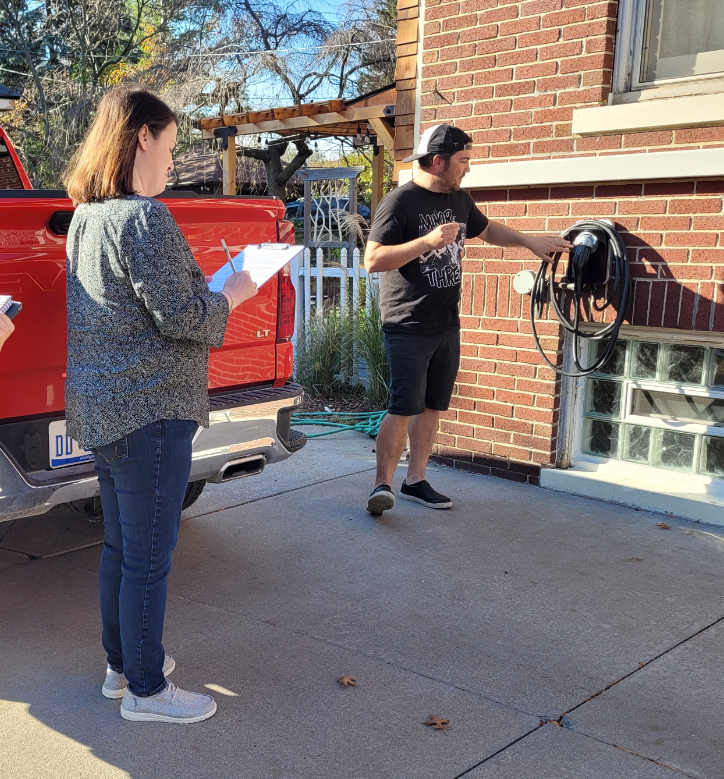
•Conducting field research with dealers and internal GM teams while coordinating and synthesizing existing GM Energy research and current-state data
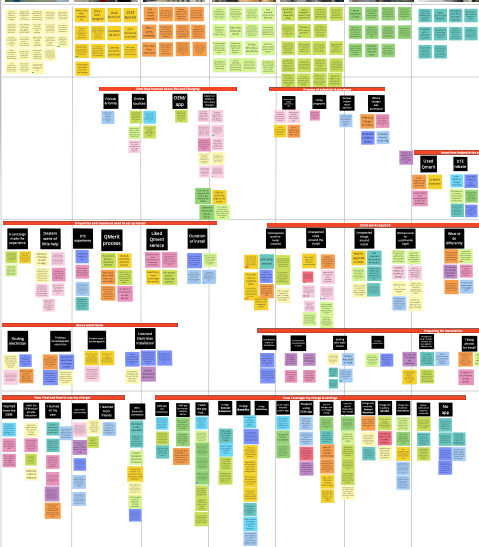
•Synthesizing customer, stakeholder, behavioral, channel, and operational evidence
•Mapping customer interactions, service handoffs, dependencies, pain points, and moments that matter
•Facilitating working sessions to align teams around customer needs, opportunities, constraints, and tradeoffs
•Translating findings into experience principles, use cases, prioritized recommendations, and roadmap opportunities
•Framing the initiative and aligning stakeholders around the end-to-end customer experience
•Conducting field research with dealers and internal GM teams while coordinating and synthesizing existing GM Energy research and current-state data
•Synthesizing customer, stakeholder, behavioral, channel, and operational evidence
•Mapping customer interactions, service handoffs, dependencies, pain points, and moments that matter
•Facilitating working sessions to align teams around customer needs, opportunities, constraints, and tradeoffs
•Translating findings into experience principles, use cases, prioritized recommendations, and roadmap opportunities
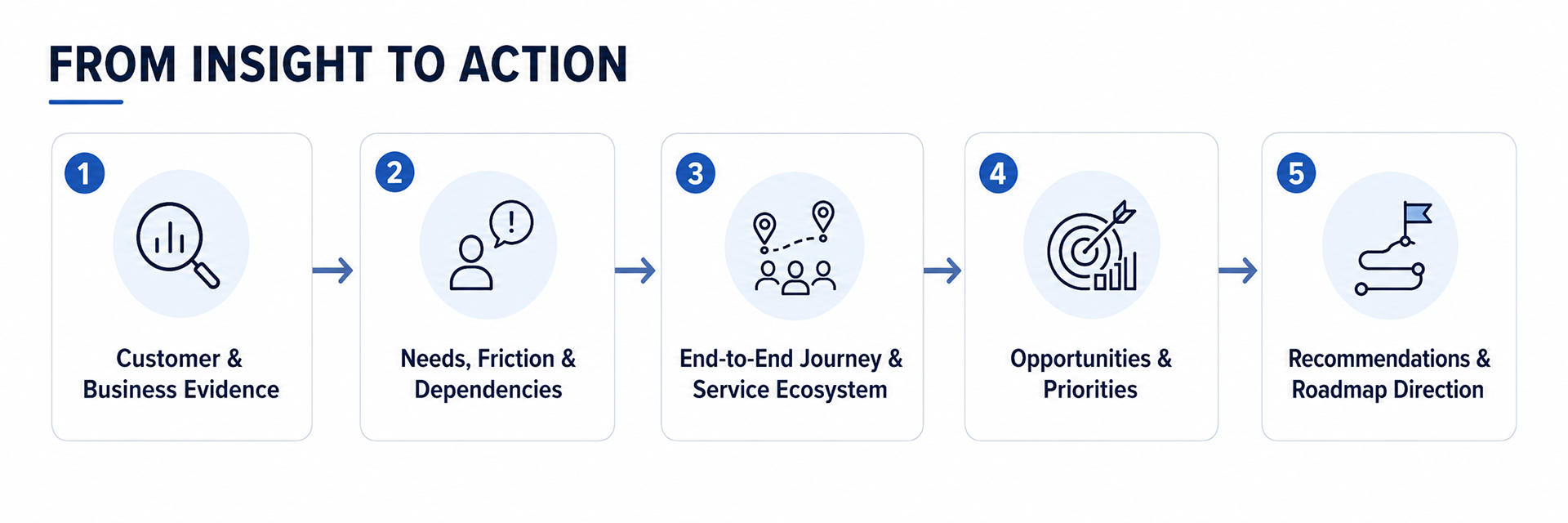
WHAT I BROUGHT TO GM ENERGY
•Human-Centered Design: Grounded the work in customer behaviors, needs, questions, pain points, and moments that mattered across the experience.
•Systems Thinking: Connected customer-facing interactions with channels, partners, processes, systems, handoffs, and operational dependencies across the broader service ecosystem.
•Evidence-to-Action: Translated customer, stakeholder, behavioral, and operational evidence into opportunity areas, prioritized recommendations, experience direction, and roadmap inputs.
•Strategic Alignment: Created a shared journey and narrative that helped multidisciplinary teams see the experience holistically, align priorities, and make more coordinated decisions.
•Human-Centered Design: Grounded the work in customer behaviors, needs, questions, pain points, and moments that mattered across the experience.
•Systems Thinking: Connected customer-facing interactions with channels, partners, processes, systems, handoffs, and operational dependencies across the broader service ecosystem.
•Evidence-to-Action: Translated customer, stakeholder, behavioral, and operational evidence into opportunity areas, prioritized recommendations, experience direction, and roadmap inputs.
•Strategic Alignment: Created a shared journey and narrative that helped multidisciplinary teams see the experience holistically, align priorities, and make more coordinated decisions.
OUTCOME & BUSINESS VALUE
The work created a shared view of the GM Energy experience across teams that had previously approached the service through individual products, channels, partners, or operational responsibilities.
The work created a shared view of the GM Energy experience across teams that had previously approached the service through individual products, channels, partners, or operational responsibilities.
More importantly, it helped shift conversations from improving isolated touchpoints toward understanding and designing the complete service ecosystem.
The journey gave stakeholders a common foundation to:
•Understand the customer lifecycle across digital and human touchpoints
•Make critical handoffs, responsibilities, and dependencies more visible
•Identify customer and operational friction across the service
•Align teams around shared experience principles and opportunity areas
•Prioritize improvements based on customer needs, operational realities, and business value
•Inform future experience, product, service, and roadmap decisions
•Understand the customer lifecycle across digital and human touchpoints
•Make critical handoffs, responsibilities, and dependencies more visible
•Identify customer and operational friction across the service
•Align teams around shared experience principles and opportunity areas
•Prioritize improvements based on customer needs, operational realities, and business value
•Inform future experience, product, service, and roadmap decisions
The GM Energy journey demonstrated how service design can make a complex ecosystem visible—connecting customer needs, business priorities, partner relationships, and operational realities into shared direction that teams can act on.